
North Sydney company takes up mission to tackle ‘space junk’
Industrial Sciences Group is one of ten successful grant recipients from the Australian Space Agency’s International Space Investment initiative.
They will develop a new tool to help satellite operators assess the risks to satellites from collisions with space debris.
Currently there are more than 20,000 satellites and pieces of debris tracked in orbit around the Earth.
Industrial Sciences Group is developing a new decision support system to enable satellite operators to make decisions with greater certainty and speed.
Space junk in Low Earth Orbit
‘Space junk’ consists of debris from previous space missions and whole satellites that are no longer operational.
Current tracking techniques can monitor space junk down to a size of 10cm in diameter.
These passive pieces of debris travel in different orbital altitudes at speeds of up to 28,000 kilometres per hour.
Debris is not controlled or manoeuvred. Collisions between space junk and satellites are a major concern in the space community, especially in Low Earth Orbit (LEO).
There are more than 2,200 active satellites in LEO. These can move to avoid a collision, but this costs fuel, time and effort.
Operators only move a satellite if the probability of space debris collision is high.
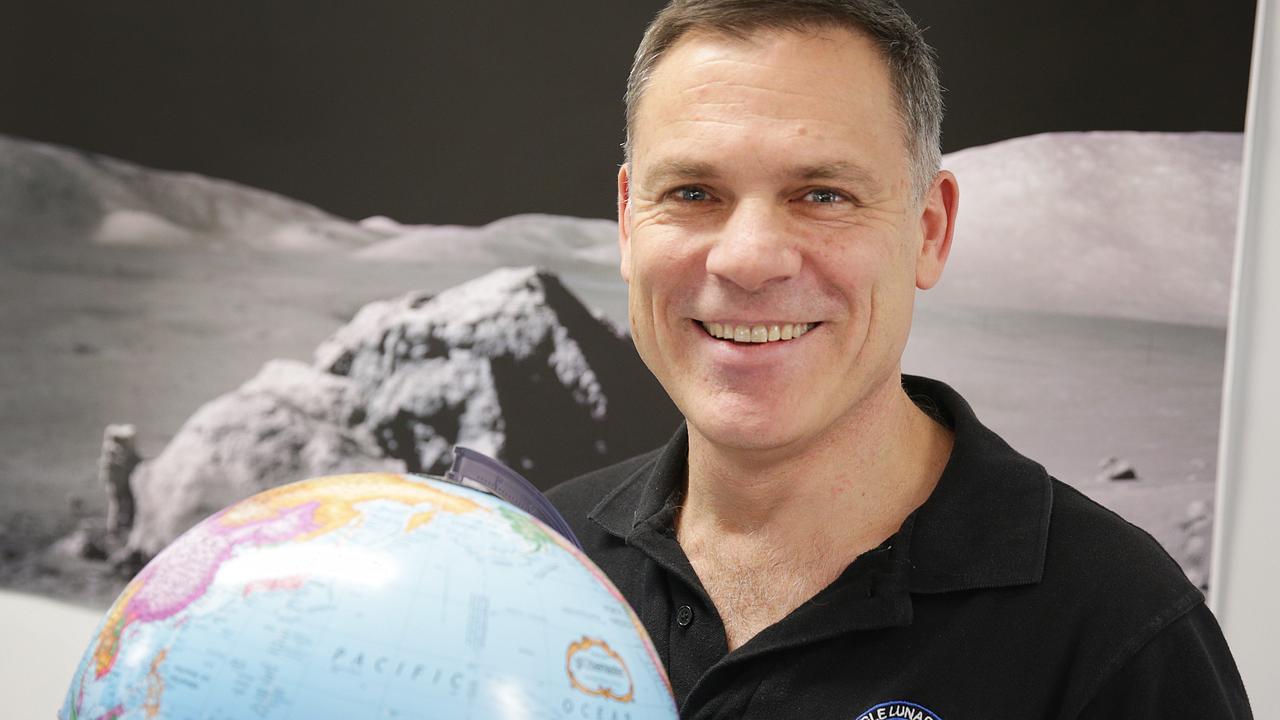
David Shteinman, Managing Director of Industrial Sciences Group explained that collisions have a low probability of occurrence but are a high risk in space.
“We will need to actively manage the ‘traffic’ on the ‘roads’ in space, but there are no highway police up there. Even if something as small as a screw flies into a satellite, it can break the satellite apart and create more junk and debris.”
Mr Shteinman hopes a prototype of the new system will be up and running for testing by NASA this year.
Despite Australia’s relatively new nationally-funded foray into the space race, he is confident ongoing advancements in the field can be reached on home-soil.
“We’ve got a lot of high quality engineers and scientists in Australia that have been under-utilised and we also have a huge landmass that makes us ideal for space observations from the southern hemisphere,” he said.
“We’re probably not going to be launching our own large-scale space missions but we are very good at developing a lot of support systems that can be used by agencies around the world.”
Industrial Sciences Group has previously worked on trajectory simulations and tracking data analysis for several lunar missions including the Beresheet Lunar mission that landed on the Moon in 2019.
The Australian Space Agency, which granted the company funding to develop the software in September last year, said the technology has the potential to “be a major contributor to space traffic management” and create a decision support tool for operators.
The agency said avoiding space junk was also important for national security purposes due to satellite damage which can disrupt credit card transactions, weather and climate monitoring.